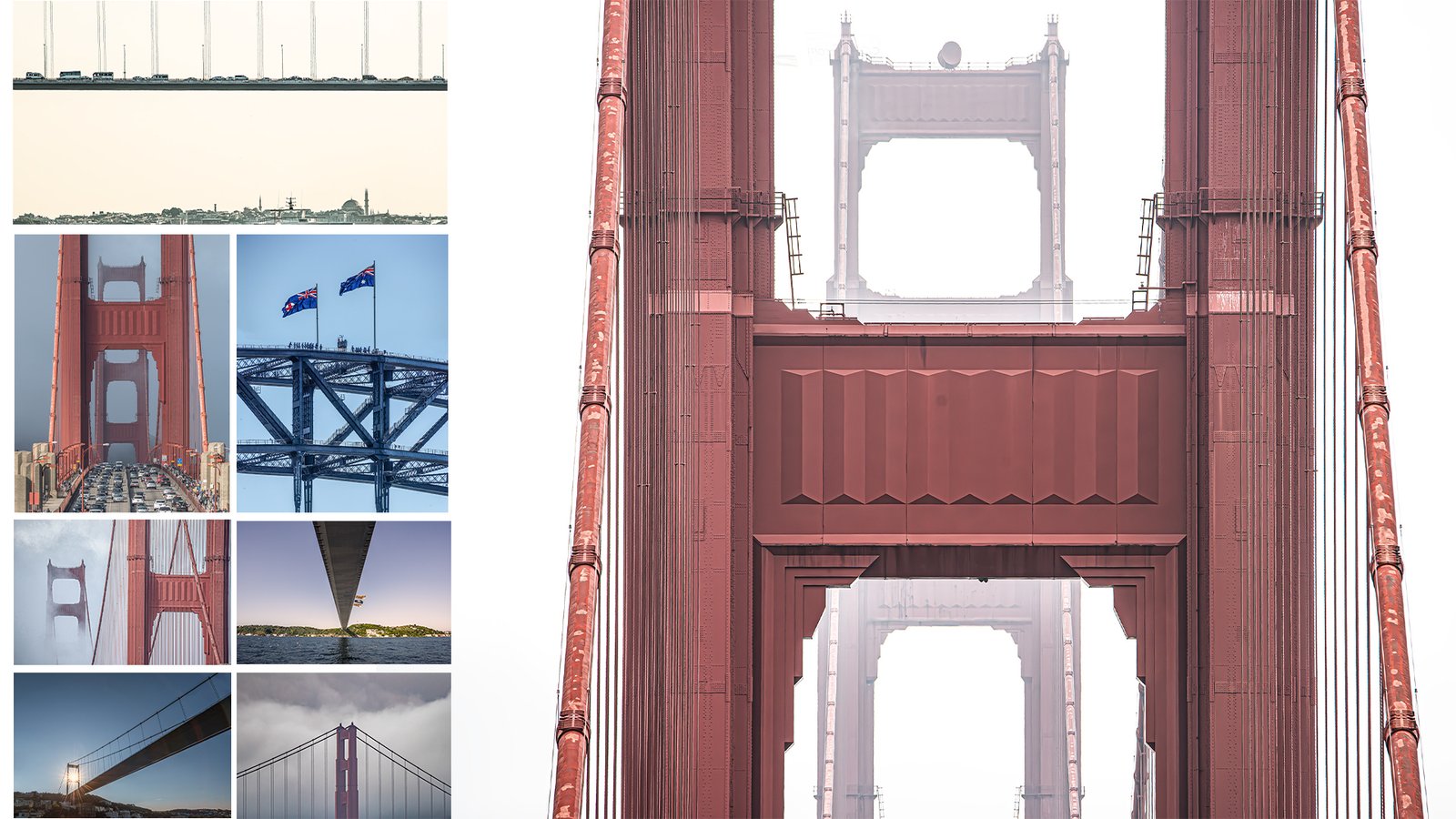
Ramin Barzegar
1. Congratulations on winning in the London Photography Awards! Can you share a little about yourself, what inspired you to pursue photography, and how has your journey evolved since your first shot?
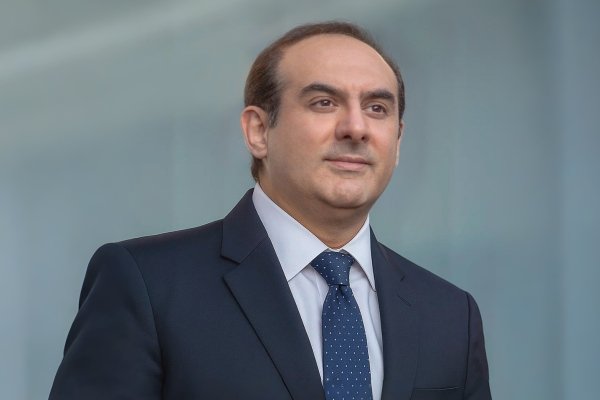
I am Ramin Barzegar, a Los Angeles-based visual artist and architectural photographer with over four decades of experience. My background in industrial design shaped the way I see space, form, and light—not just as physical elements, but as emotional language.
What first drew me to photography was the power of light to transform ordinary scenes into meaningful moments. Over time, my work evolved from documenting architecture to creating visual narratives that blend reality, emotion, and imagination. For me, photography is not just about capturing what we see, but revealing what we feel. Winning at the London Photography Awards is a meaningful recognition of that journey.
2. Can you share the story or inspiration behind your award-winning piece? How does winning this award make you feel about your journey in photography?
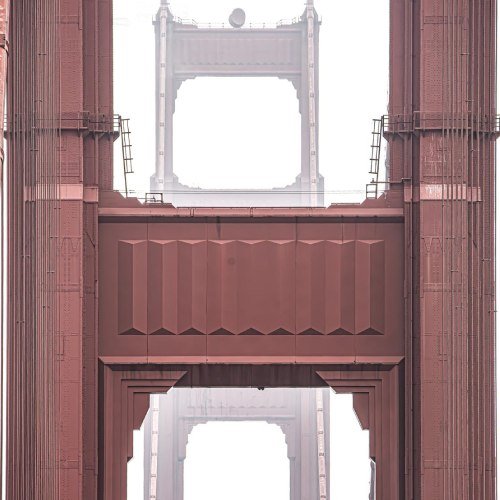
The inspiration behind my award-winning work comes from my ongoing fascination with architecture as a living form of art—where structure, light, and human presence create emotion and meaning. I always look for moments where geometry becomes poetic and spaces begin to tell their own stories.
Winning this award is both an honour and an encouragement. After many years in photography, recognition like this reminds me that the journey of seeing, learning, and creating never truly ends—it simply evolves.
3. How do you decide which photo to submit for a competition?
I choose photographs that go beyond technical quality and create an emotional or visual impact at first glance. For each competition, I carefully consider the theme, the judging perspective, and whether the image tells a unique story or offers a fresh point of view. The strongest submissions are the ones that stay in the viewer’s mind, not just the ones that are technically perfect.
4. What first made you pick up a camera?
What first drew me to photography was curiosity. I started photography at the age of seven, fascinated by the idea of preserving moments and seeing the world through a different perspective. Over time, that childhood curiosity grew into a lifelong passion for storytelling—using the camera not just to document reality, but to interpret it artistically.
5. What’s your favorite type of photography, and why do you love it?
My favourite type of photography is architectural photography because it combines art, design, light, and human emotion in a unique way. I’m fascinated by how structures tell stories through geometry, perspective, and atmosphere.
At the same time, the beauty of the world around us has inspired me to explore many other photography categories as well, from nature to documentary and conceptual work. Each genre offers a different way of seeing, but architecture remains closest to my artistic vision.
6. What’s your go-to camera setup, and why does it work best for your projects? What’s your favorite feature?
My go-to camera setup depends on the project, but I primarily work with professional Nikon cameras and a range of lenses, especially wide-angle and perspective-control lenses, which are essential for architectural photography.
This setup gives me the precision, detail, and flexibility I need to capture space accurately while preserving artistic composition. One of my favourite features is the ability to control perspective and capture fine details, which is crucial in translating architecture into compelling visual storytelling.
7. If someone looked at your work, what’s the one thing you’d want them to feel?
If someone looks at my work, I would want them to feel a sense of connection—whether to a space, a moment, or an emotion. Beyond visual beauty, I hope my images invite viewers to pause, reflect, and experience the story, atmosphere, and human feeling hidden within the frame.
8. What was the most challenging part of capturing your winning shot?
The most challenging part was finding the exact moment where composition, light, and emotion aligned perfectly. In photography, especially architectural work, patience and precision are essential. Sometimes the challenge is not technical—it’s waiting for the scene to reveal the feeling you want to capture.
9. Is there a specific place or subject that inspires you the most?
Architecture inspires me the most because it reflects human creativity, culture, and the relationship between space and life. I’m especially drawn to places where design, history, and emotion come together. At the same time, I find inspiration everywhere—in nature, people, and everyday moments—because beauty and stories exist all around us for those willing to see them.
10. Who or what has been your biggest influence in photography?
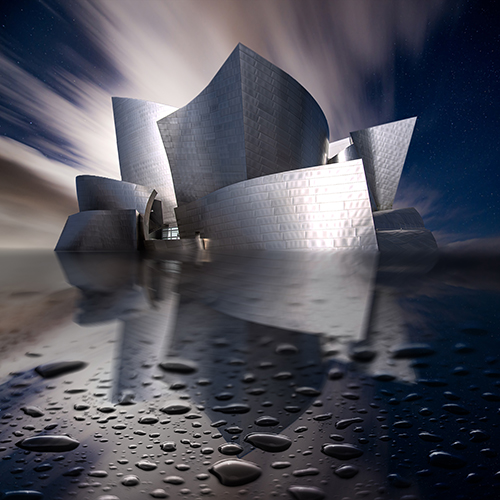
My biggest influences include visionary architects like Zaha Hadid and Frank Gehry, whose bold and imaginative designs—especially Gehry’s work on the Walt Disney Concert Hall—have deeply inspired the way I see space and form.
In photography, I have long admired Julius Shulman for his timeless architectural storytelling, as well as Ansel Adams, whose mastery of light, composition, and emotional depth demonstrated how photography can transform reality into art. Together, these influences have shaped my artistic vision and the way I approach visual storytelling.
11. What message would you share to inspire photographers to participate in photography awards, and what advice would you give to help them excel in the competition?
Photography awards are not just about winning—they are opportunities to grow, challenge yourself, and share your vision with a wider audience. My advice to photographers is to submit work that is authentic and emotionally meaningful, not simply technically perfect. Study the competition theme carefully, choose images that tell a memorable story, and trust your unique perspective. Every competition, whether you win or not, teaches you something valuable and helps you evolve as an artist.
12. What’s one piece of advice for someone just starting in photography?
My advice for someone just starting in photography is simple: learn to see before you learn to shoot. A camera is just a tool—what truly matters is your perspective, patience, and curiosity. Observe light, composition, and everyday moments, and don’t be afraid to experiment. Technical skills can be learned, but developing your own unique way of seeing is what makes you an artist.
13. What role do editing and post-processing play in your creative workflow?
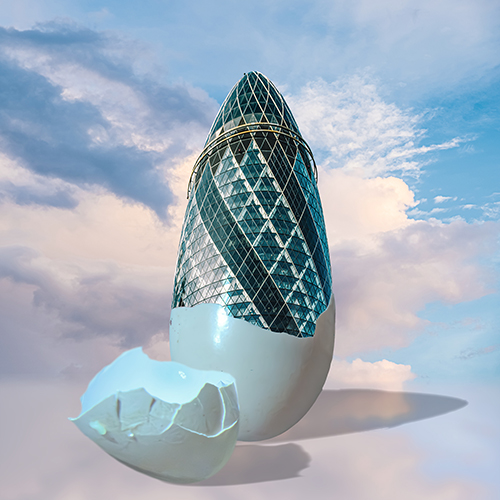
Editing and post-processing are important parts of my creative workflow because they help me refine and fully express the vision I had when capturing the image. For me, post-processing is not about altering reality, but about enhancing mood, balance, light, and storytelling. In some of my conceptual work, it also becomes a creative extension of photography itself.
14. How do you see technology, like AI, influencing the future of photography and your own approach?
Technology, including AI, is transforming photography in exciting ways—from enhancing workflows to expanding creative possibilities. I see AI as a powerful tool that can support efficiency, restoration, editing, and even new forms of visual expression. However, the human eye, emotion, and artistic vision remain at the heart of meaningful photography. In my own work, I embrace technology as a creative partner, but the story and the human perspective always come first.
15. If you could photograph anything or anyone in the world, what would it be?
If I could photograph anything in the world, I would continue capturing extraordinary architecture, historic places, and cultural landmarks that reflect human creativity across civilisations. I’m especially drawn to spaces where history, design, and emotion intersect. Beyond places, I’m also fascinated by people whose lives and stories have shaped culture, because powerful photography is ultimately about preserving both human achievement and human experience.