Arnab Sarkar
1. Congratulations on winning in the London Photography Awards! Can you share a little about yourself, what inspired you to pursue photography, and how has your journey evolved since your first shot?
First of all, my heartfelt thanks to the London Photography Awards for honouring me with this prestigious award.
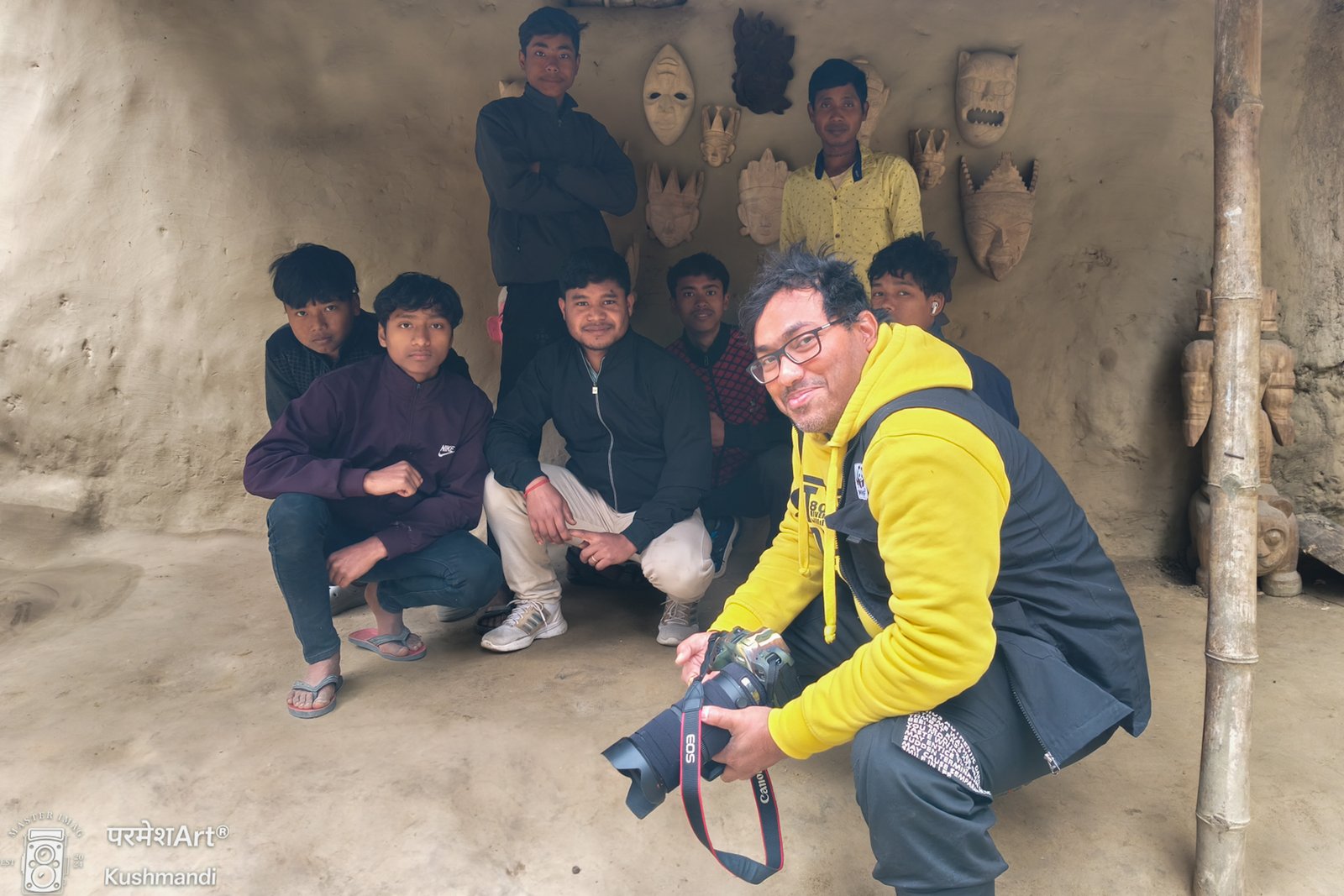
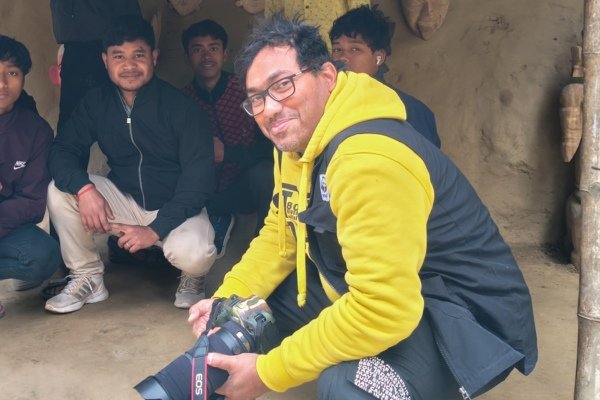
I’m Arnab Sarkar, from Siliguri, a town in West Bengal, India. As a child, I was endlessly fascinated by how a fleeting moment could be captured and turned into a lifelong memory. That curiosity took root when I was in Class 10, and my father gifted me my first analogue camera. I took it to my favourite hill town, Darjeeling, and photographed the sunrise.
Years later, while travelling for work, I met Mr. Subrata Roy Chowdhury, then Head of the Department of Photography at Ramakrishna Mission Vidyamandira, Belur. He encouraged me to pursue photography formally. I enrolled and began learning the craft in depth.
Around the same time, I had the fortune of meeting Mr. Kamalesh Kamila, a renowned Indian National Award-winning travel and cultural photographer. He became my mentor, my toughest critic, my guide, and my friend. To this day, he pushes me to do better.
2. Can you share the story or inspiration behind your award-winning piece? How does winning this award make you feel about your journey in photography?
This year, I’ve been fortunate to receive multiple awards across Editorial Sports, Fine Art Sports, Travel, and Religious Photography.
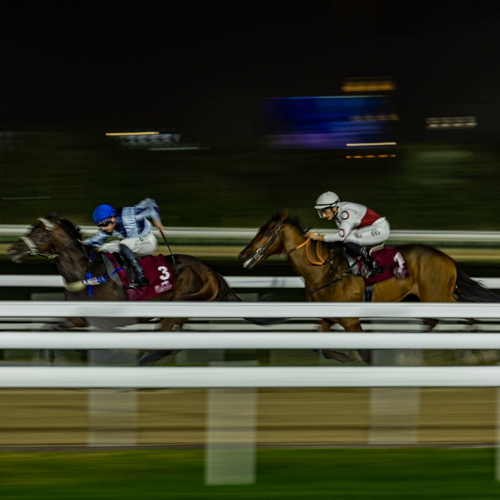
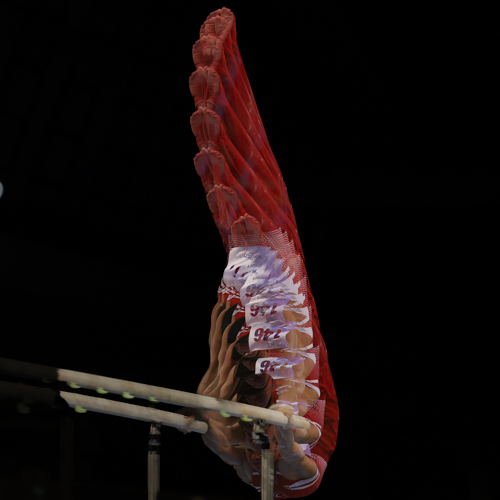
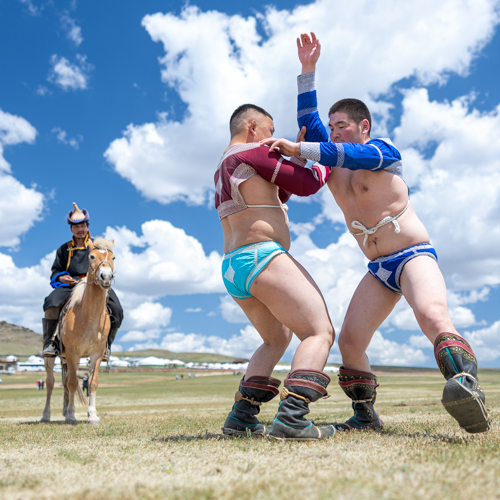
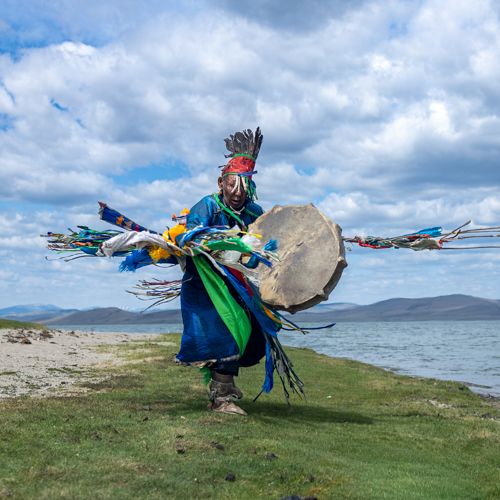
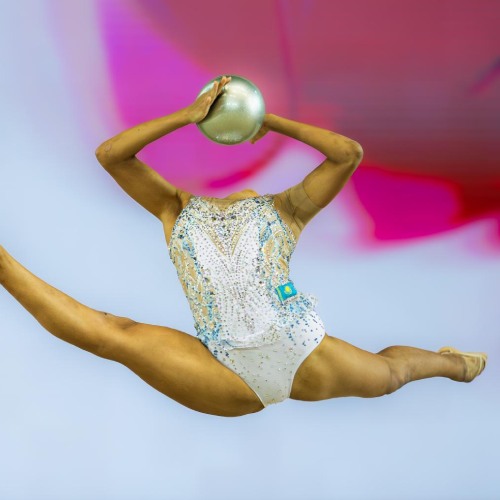
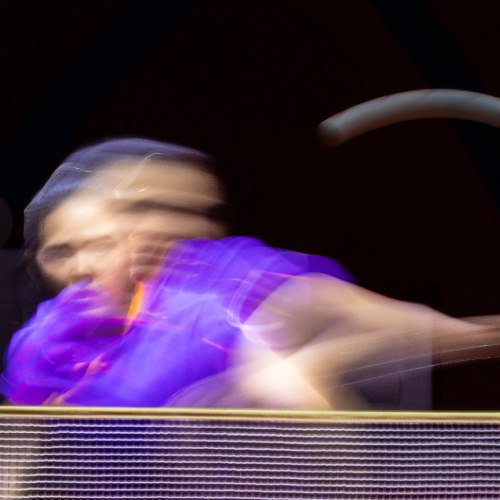
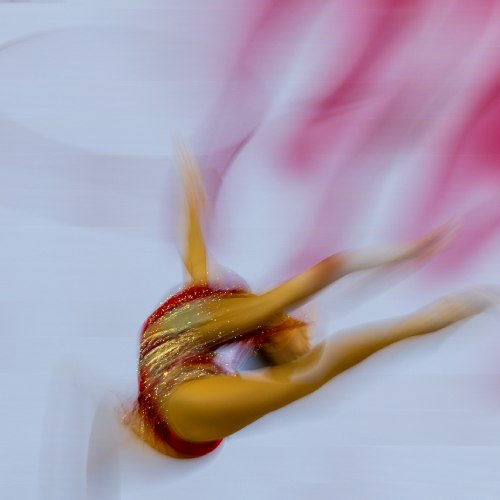
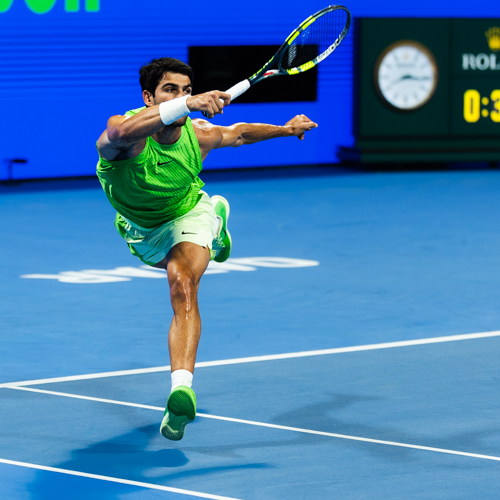
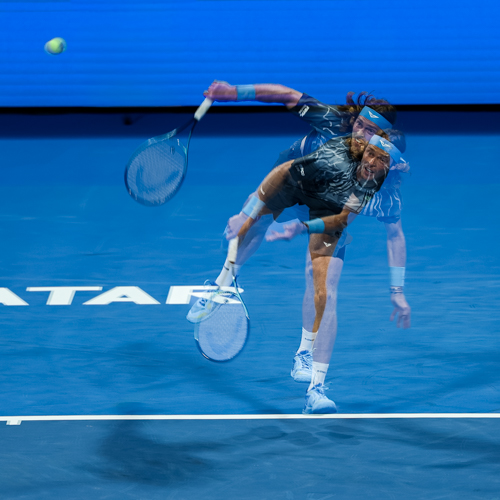
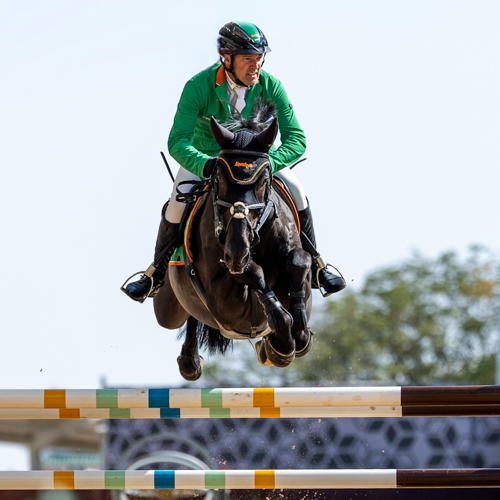
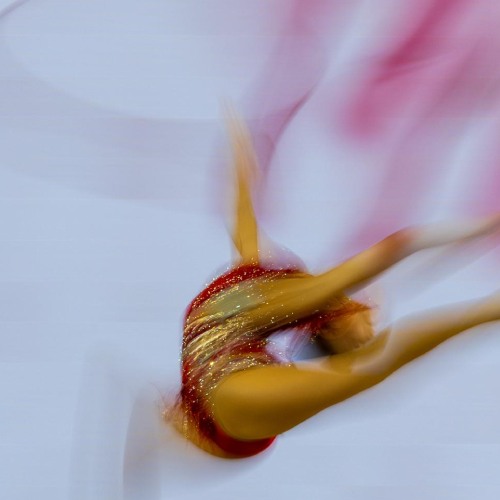
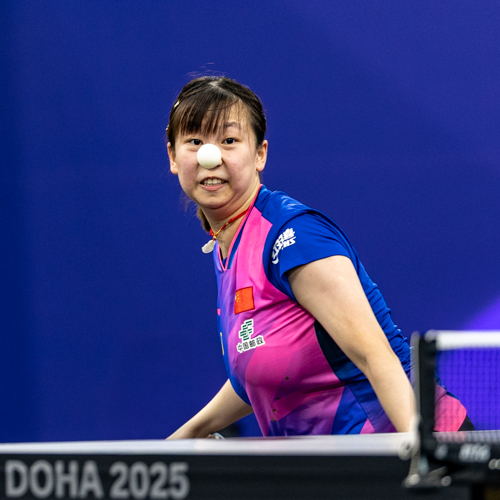
In sports, my recognised work includes images from gymnastics, horse racing, table tennis, tennis, equestrian, and wrestling. In the travel and religious categories, I was honoured for The Shaman of Mongolia, a portrait of a Mongolian Shaman.
When I photograph sports, I’m drawn to movement. I use slow shutter speeds, multiple exposures, and tight, focused frames to convey both motion and intensity. For me, framing is everything — a well-composed image should speak for itself without explanation.
The Shaman of Mongolia holds a special place in my heart. Through this image, I was able to share an ancient, lesser-known heritage with the world — a tradition practised for centuries, yet rarely seen.
3. How do you decide which photo to submit for a competition?
This becomes a really tough task. I generally first try to sort at a high level based on the theme. Then I analyse each of the initially selected images based on its technical aspects and contents to match the theme of the competition.
4. What first made you pick up a camera?
I first picked up a camera at 16 when I was in Class 10. The sunrise from Tiger Hill in Darjeeling has always drawn people from far and wide. Living close to the hill station, I wanted to capture it through my own lens— and that’s when my father gifted me my very first camera. It was a luxury in Indian middle-class families those days to have your own camera, but my father managed to get one for me as he promised.
5. What’s your favorite type of photography, and why do you love it?
I believe anything worth sharing with the world is worth capturing — so I capture it. Still, I’m most drawn to sports, culture, heritage, and travel photography. These genres reveal true human emotion at its purest. To me, that’s the moment worth capturing.
6. What’s your go-to camera setup, and why does it work best for your projects? What’s your favorite feature?
Well, it depends on the event. For sports, I generally use a full-frame camera with either a 70-200mm f/2.8 or 100-300mm f/2.8 lens. For travel and cultural photography, I rely mostly on a 28-70mm f/2 paired with the 70-200mm f/2.8. I also keep a wide-angle lens in my kit for capturing the ambience.
7. If someone looked at your work, what’s the one thing you’d want them to feel?
If viewers can feel the same excitement I felt while watching and capturing the moment, that will be my greatest award. I’d also be happy if someone looking at my work understands the effort it takes to create a single image.
8. What was the most challenging part of capturing your winning shot?
There were many challenges. In sports, the biggest was being in the right place at the right time. Events were crowded with photographers and broadcasters, and movement was often restricted. I was no exception to that. These days, another problem is reflective banners — they bounce light and ruin shots, unlike the non-reflective banners used earlier. For my winning travel image, the biggest challenge was selfie seekers. They often block the subject, making it extremely difficult to frame the image as intended.
9. Is there a specific place or subject that inspires you the most?
For travel photography, I like to visit remote places to capture authentic lifestyles. These unaltered ways of life continue to inspire me, and I feel compelled to bring them to the world.
For sports, gymnastics is my favourite, though I’m equally excited by any other sporting event. The energy of the fans, the focus of the athletes, and the raw display of emotion — that’s my biggest inspiration.
10. Who or what has been your biggest influence in photography?
My parents, and my constant guide, Kamalesh Kamila. My father was a sportsperson himself and won many awards. I couldn’t become an athlete, but through sports photography, I feel I’m still carrying that tradition forward. Kamalesh Kamila, on the other hand, keeps me motivated even when I’m not at my best and constantly pushes me to see differently through the lens. I should also mention Mahmoud Hefnawy. He provided me with the opportunities to get into sports photography, and to date, he has supported me a lot.
11. What message would you share to inspire photographers to participate in photography awards, and what advice would you give to help them excel in the competition?
I encourage all my photographer friends to participate in photography awards. They are the best platforms to showcase creative talent and to learn from other submitted and winning images.
My sincere advice: dedicate time to selecting your best work — sometimes it’s hidden in your old archives. Also, make sure it meets all technical requirements and truly fits the theme.
12. What’s one piece of advice for someone just starting in photography?
My advice would be learn from others but don't copy them. Never judge your works or even anyone's work based on number of likes or comments in social media. Try to be happy with your work and never get satisfied.
13. What role do editing and post-processing play in your creative workflow?
Well, I am not great at editing. I believe more in perfection during capture. However, I do basic colour corrections required at times.
14. How do you see technology, like AI, influencing the future of photography and your own approach?
AI has both good and bad influences. It helps photographers in many ways, especially in culling images when we’re on deadline for news media. But the negatives are more concerning. I’ve seen images altered by adding objects, changing scenes completely, or even fully generated. This has to be controlled.
Still, I believe people have an edge over AI. It cannot be as creative as a human being. That’s why it’s important to stay true to yourself.
15. If you could photograph anything or anyone in the world, what would it be?
I really wish to travel to Europe to shoot the European Championship for Gymnastics.