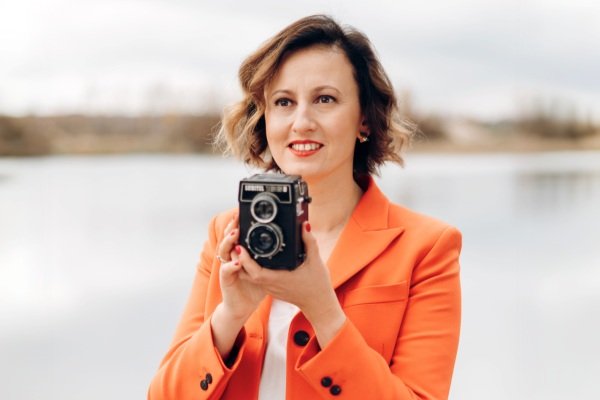
Julija Zandersone
1. Congratulations on winning in the London Photography Awards! Can you share a little about yourself, what inspired you to pursue photography, and how has your journey evolved since your first shot?
I’m Julija Zandersone, a nature photographer and traveller from Latvia. Alongside photography, I work in the business world, leading companies and teams, but photography has become a way for me to slow down, observe, and reconnect with nature.
My first camera came from my grandfather. It was a simple Soviet-era film camera, and we used to develop photographs together in a small, improvised darkroom in his apartment bathroom. Looking back, that process taught me patience and attention to detail long before I understood photography technically.
Over time, photography evolved from documenting places and experiences into a much more personal and artistic pursuit. Today, I am drawn less by the idea of capturing rare moments and more by creating images that convey atmosphere, emotion, and a sense of connection between humans and the natural world.
2. Can you share the story or inspiration behind your award-winning piece? How does winning this award make you feel about your journey in photography?
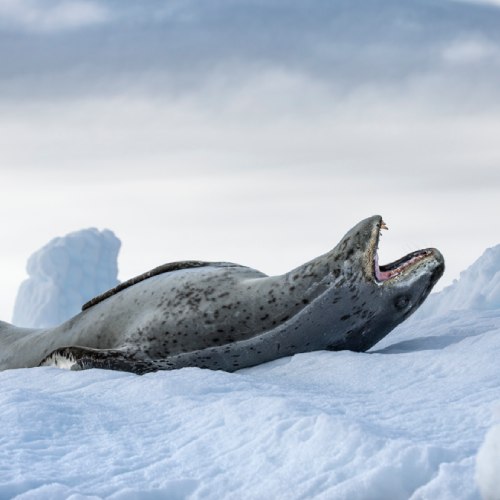
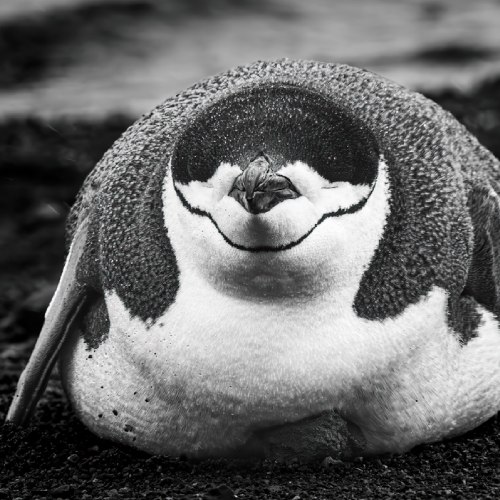
My work is deeply inspired by moments where nature feels both powerful and intimate at the same time. I am often drawn to quiet scenes, difficult weather, and subtle emotional connections between animals and their environment.
Many of these images required long periods of waiting, unpredictable conditions, and physical endurance. But for me, the most meaningful part is not only the final image — it is the experience of being fully present in those environments.
Receiving this recognition feels both encouraging and humbling. Photography is a long journey of learning and self-doubt, so having work resonate with others gives me confidence to continue developing my artistic voice.
3. How do you decide which photo to submit for a competition?
I usually choose images that stay with me emotionally over time. Technical perfection alone is rarely enough. I look for photographs that create atmosphere, evoke curiosity, or make the viewer pause for a moment. I also try to submit images that feel authentic to my style.
4. What first made you pick up a camera?
Curiosity, I think. Since childhood I have always been fascinated by animals, nature, and distant places. Photography became a way to observe the world more carefully, preserve moments that made me feel something and share these feelings with others.
5. What’s your favorite type of photography, and why do you love it?
Wildlife and nature photography, especially with a fine art approach. I love that it combines adventure, patience, storytelling, and emotion. Nature constantly reminds us how small we are, but also how deeply connected we are to the world around us. Through photography, I hope to share some of that feeling with others.
6. What’s your go-to camera setup, and why does it work best for your projects? What’s your favorite feature?
I usually work with long telephoto lenses because they allow me to photograph wildlife respectfully without disturbing the animals. At the same time, I also pay a lot of attention to landscapes, light, and negative space within the frame.
My favourite “feature” is probably reliability in difficult conditions. Many of my projects happen in remote environments with cold, wind, rain, or dust, so having equipment I can trust is essential.
7. If someone looked at your work, what’s the one thing you’d want them to feel?
Connection. Not only a connection to the animal or landscape itself, but also a reminder that we are part of nature rather than separate from it.
8. What was the most challenging part of capturing your winning shot?
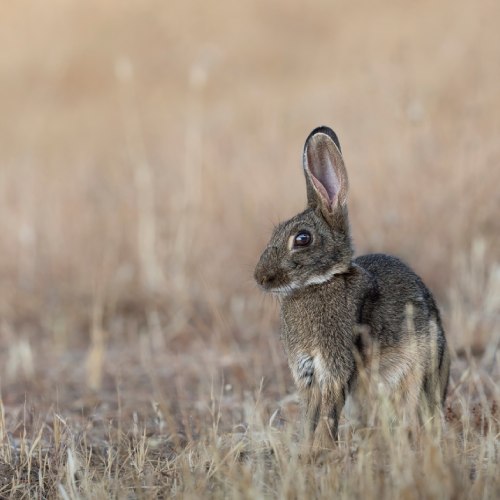
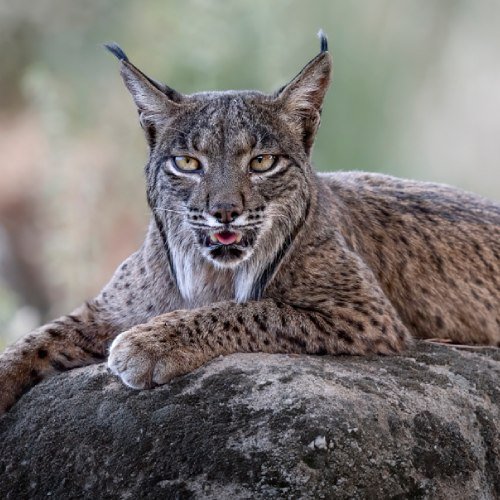
Patience and unpredictability. Wildlife photography often involves long periods of waiting combined with rapidly changing conditions where everything may happen within a few seconds. There is also a lot of luck involved, but you have to be prepared for those rare moments.
It is also a balance between persistence and respect for the animal. I never want the pursuit of an image to come before the well-being of wildlife.
9. Is there a specific place or subject that inspires you the most?
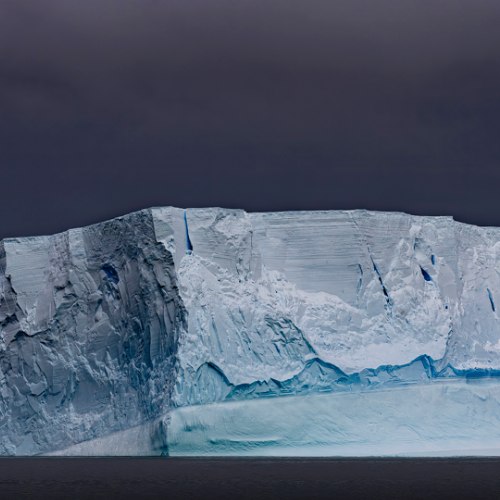
Remote and harsh environments inspire me the most — places like Antarctica, Patagonia, or the highlands of Tibet. There is something deeply emotional about landscapes where nature still feels vast, untamed, and indifferent to human presence.
At the same time, I truly appreciate the nature that is just on our doorstep. I think that there is a lot of beauty that stays unnoticed in our routine rhythm of life.
10. Who or what has been your biggest influence in photography?
I admire a lot of photographers, especially those who photograph nature and wildlife. I’m inspired by work that leaves space for interpretation and feeling. However, more than individual photographers, I think my biggest influence has been nature itself and the experience of spending time in wild places.
11. What message would you share to inspire photographers to participate in photography awards, and what advice would you give to help them excel in the competition?
Competitions should not define your value as a photographer, but they can be a great way to challenge yourself, gain visibility, and build confidence. My advice would be to focus on developing a strong personal voice. The images people remember are usually the ones that feel genuine and emotionally honest.
12. What’s one piece of advice for someone just starting in photography?
Spend more time learning how to see rather than constantly chasing new equipment. Light, composition, emotion, and patience matter far more than owning the latest camera.
13. What role do editing and post-processing play in your creative workflow?
Post-processing is an important part of my creative process, but I see it as refinement rather than transformation. I use editing to strengthen mood, atmosphere, and visual coherence while trying to remain faithful to the feeling of the original moment.
14. How do you see technology, like AI, influencing the future of photography and your own approach?
AI will definitely change many aspects of photography, especially editing and content creation. Like any technology, it can be both helpful and problematic depending on how it is used. For me personally, the value of photography still lies in real experience, observation, and emotional connection with the subject. I think authenticity and human perspective may become even more important in a world increasingly shaped by artificial content.
15. If you could photograph anything or anyone in the world, what would it be?
I would love to continue photographing remote wildlife and fragile ecosystems that are changing rapidly due to human impact and climate change. Not only to document them, but to create images that help people emotionally connect with places and species they may never experience themselves.